Non-Invasive Neuromodulation Therapies
There are also many non-surgical neuromodulation therapies that can be delivered without implants to help regulate nerve and brain activity. These methods can be effective alone or alongside other treatments, and most have minimal downtime or side effects.
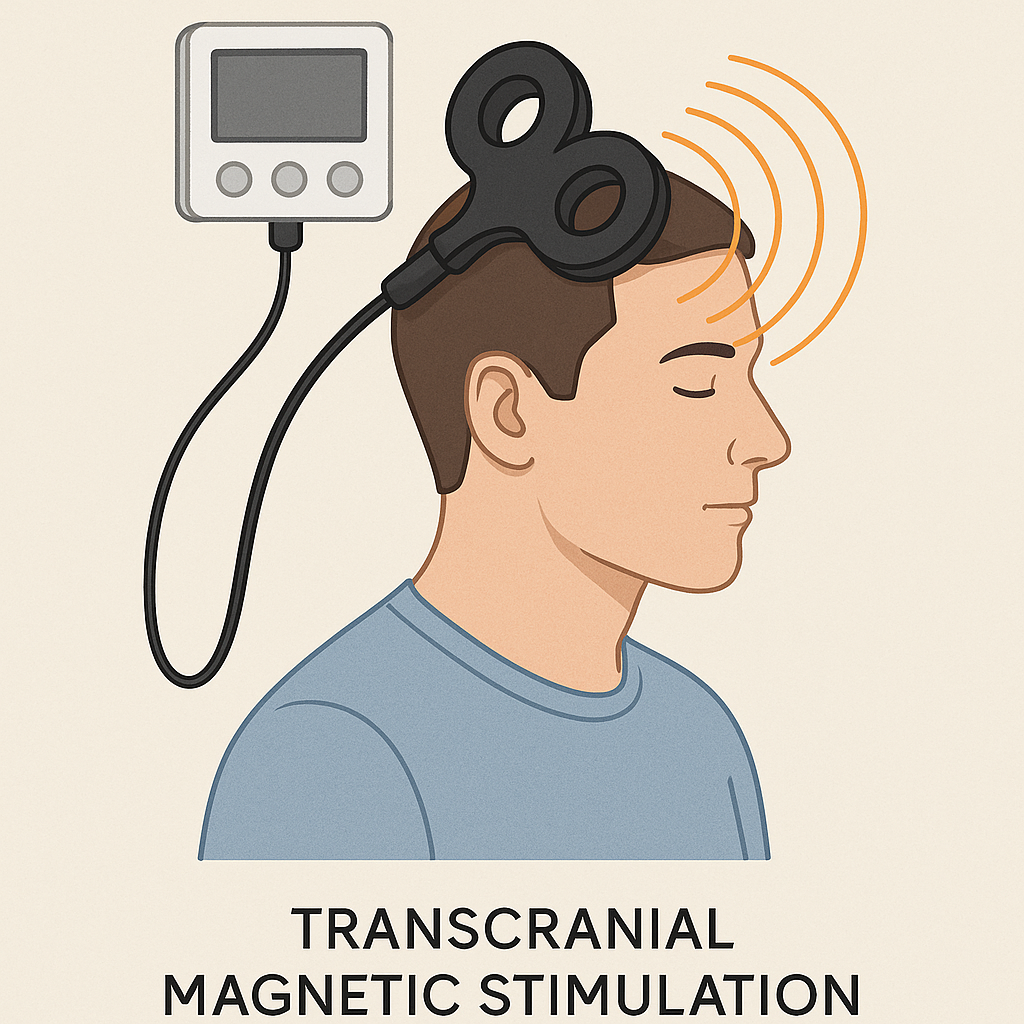
Transcranial Magnetic Stimulation (TMS)
Transcranial Magnetic Stimulation is a non-invasive treatment that uses gentle magnetic pulses applied to specific areas of the brain to influence neural activity. It is commonly offered for depression that has not improved with medication, and may also help with migraine and certain pain conditions. TMS does not require surgery or anaesthesia, allowing patients to resume normal activities immediately after sessions.
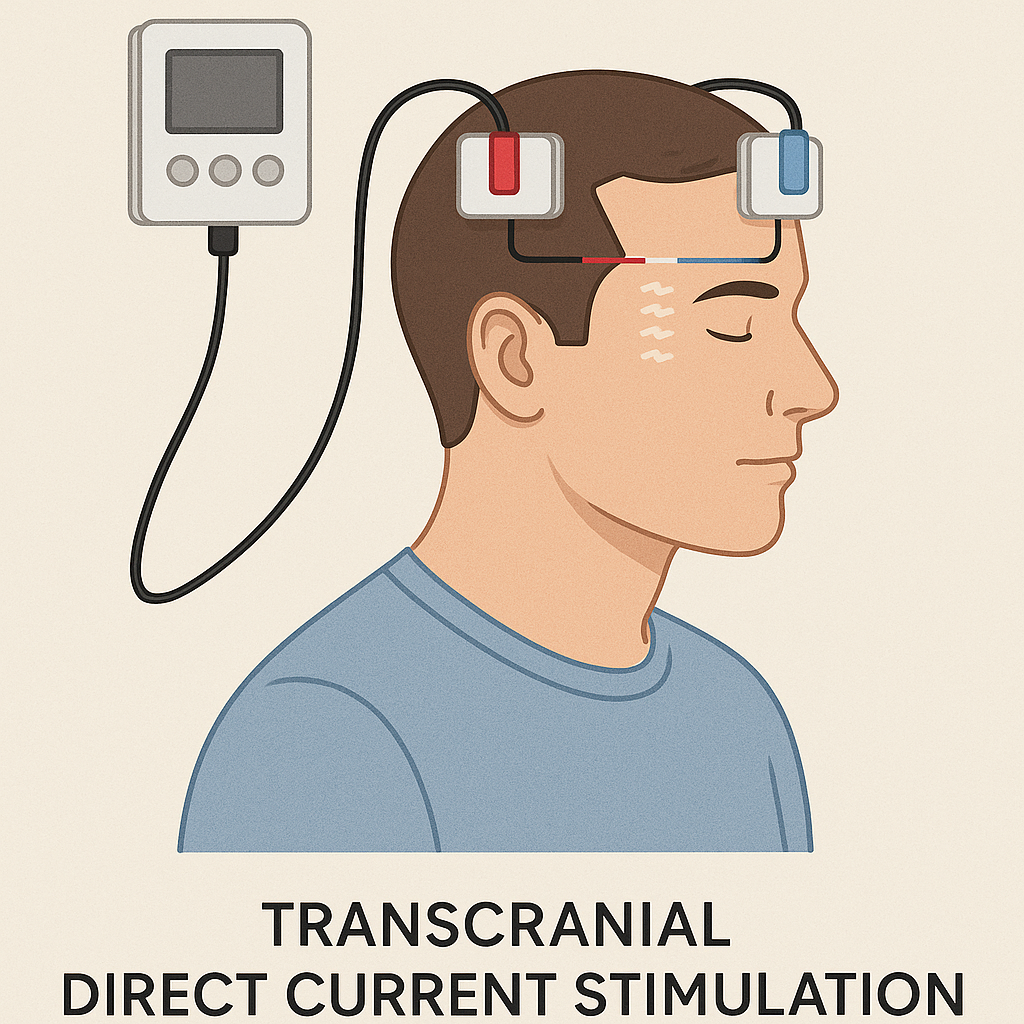
Transcranial Direct Current Stimulation (tDCS)
tDCS uses very low electrical currents delivered through electrodes placed on the scalp to modulate brain cell activity. It is being used in rehabilitation for stroke recovery, to help mood in depression, and to enhance cognitive rehabilitation in neurological conditions. Treatments are painless, quick, and can be repeated regularly.
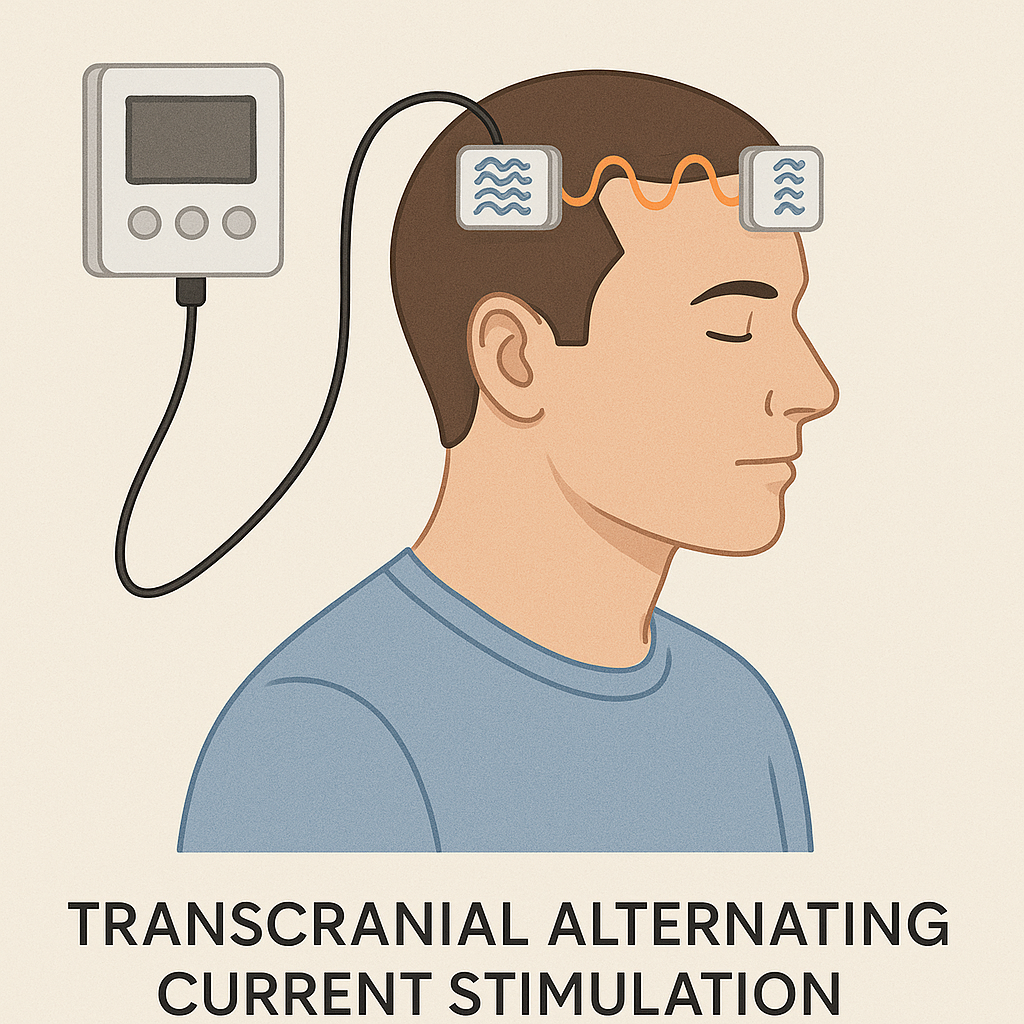
Transcranial Alternating Current Stimulation (tACS)
tACS works similarly to tDCS but delivers an alternating electrical current to influence brain rhythms. While mainly offered in research settings, this approach shows promise in improving concentration, treating certain brain disorders, and helping regulate brain network activity without invasive procedures.
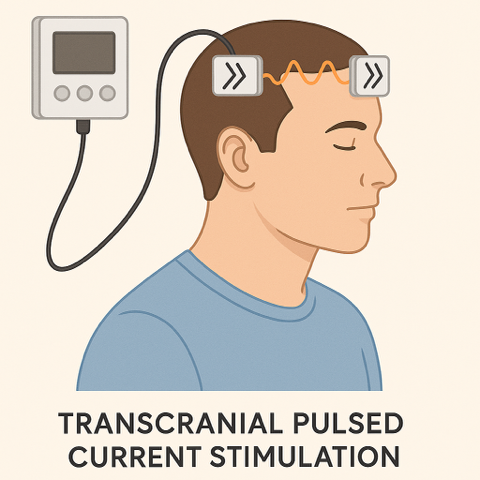
Transcranial Pulsed Current Stimulation (tPCS)
tPCS is a non-invasive brain stimulation technique that delivers trains of electrical pulses at predetermined frequencies through scalp electrodes to modulate brain activity. Like tDCS, tPCS enhances and suppresses cortical excitability depending on electrode polarity. In addition, the intermittent pulse burst of tPCS introduces carefully controlled “neural noise,” which can promote stochastic resonance, a process that helps the brain detect and transmit weak signals more effectively, thereby improving neurotransmission, spike timing and neuroplasticity. tPCS is regulatory approved in Singapore for the treatment of spasticity in children with cerebral palsy and improving social functioning in autism spectrum disorder.
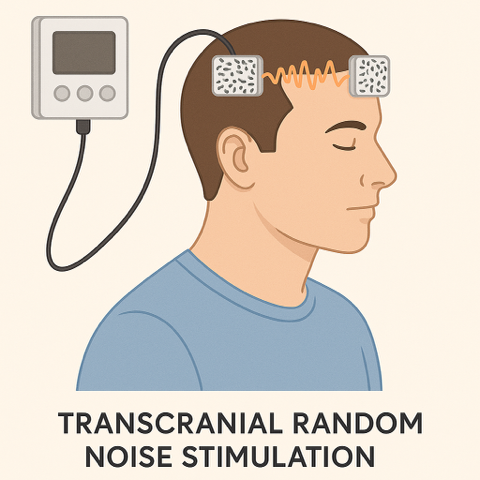
Transcranial Random Noise Stimulation (tRNS)
tRNS is a non-invasive brain stimulation technique that delivers random frequency electrical currents to the brain through scalp electrodes, creating a “random noise” effect. This randomness helps the brain work more efficiently by enhancing its ability to detect and process weak signals, a phenomenon known as stochastic resonance. Through this mechanism, tRNS has been shown to promote neuroplasticity, improve learning and memory, and modulate brain network activity in both healthy individuals and patients with neurological or psychiatric conditions. Early research suggests potential benefits across a range of applications, including cognitive enhancement and mood regulation.
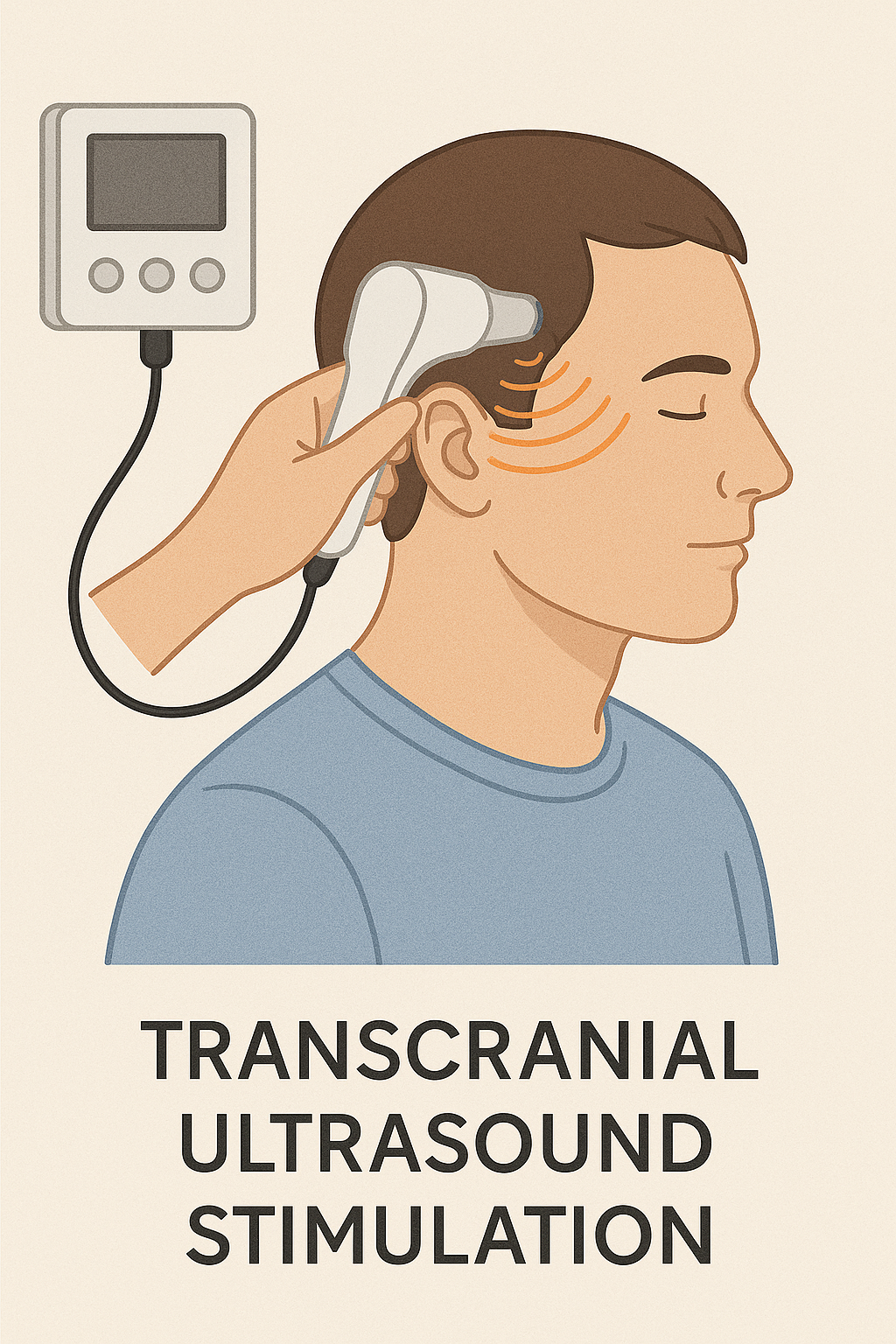
Transcranial Ultrasound Stimulation (TUS)
TUS uses focused ultrasound energy directed through the skull to stimulate or calm targeted brain regions. This emerging therapy holds potential for treating movement disorders, mood conditions, and for mapping brain functions in a precise, non-invasive way. Clinical research is actively expanding its applications.
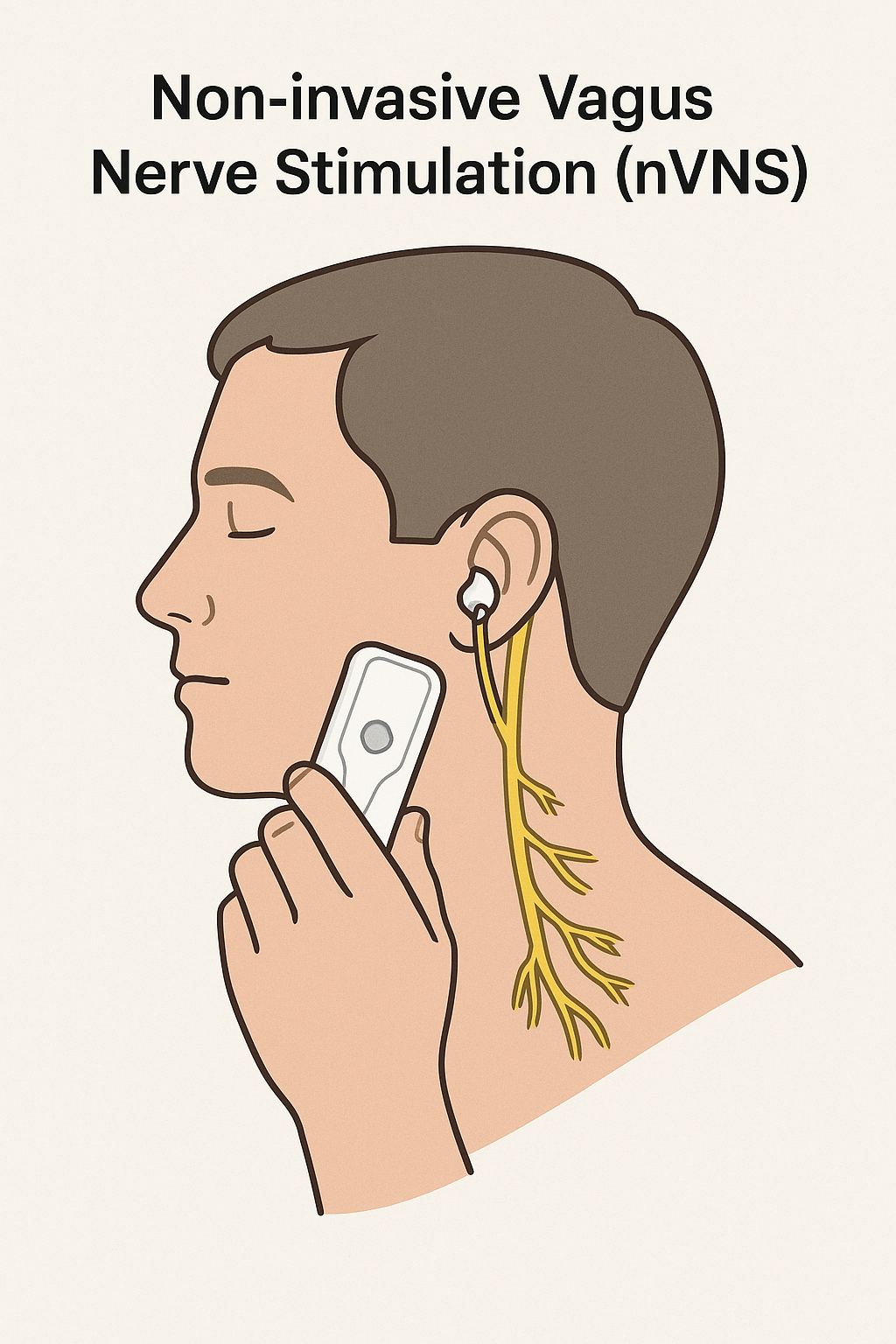
Non-invasive Vagus Nerve Stimulation (nVNS)
nVNS uses a handheld device placed over the neck or ear to deliver mild electrical pulses to the vagus nerve, influencing brain and body communication. It is used to help manage migraine, cluster headache, and is being studied for other conditions such as anxiety and inflammatory disorders. Treatment is simple and can be done at home.
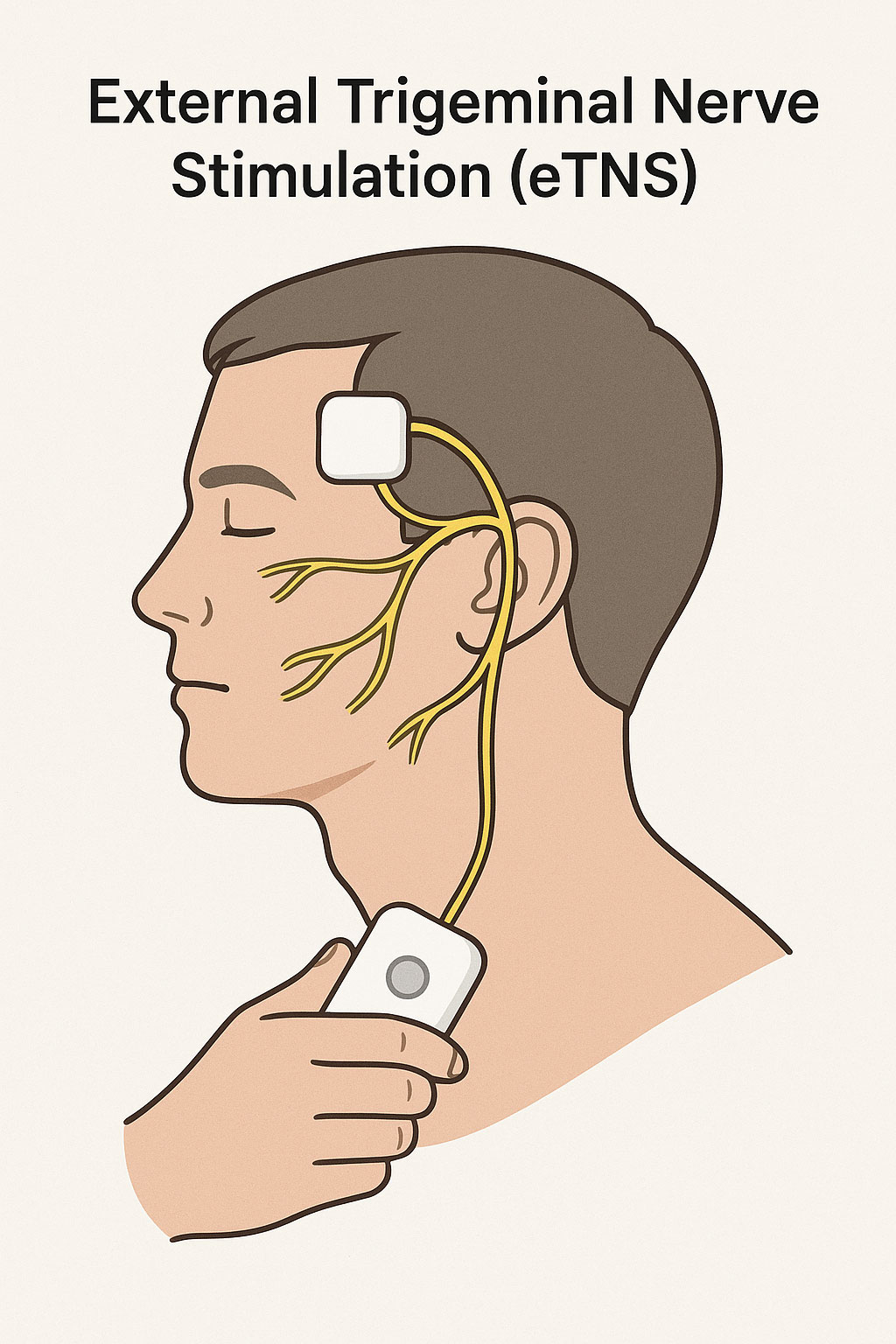
External Trigeminal Nerve Stimulation (eTNS)
eTNS delivers mild electrical stimulation to the trigeminal nerve via small electrodes placed on the forehead. It can help patients with migraine, cluster headaches, and some neurological or mood disorders by altering the transmission of pain and sensory signals to the brain
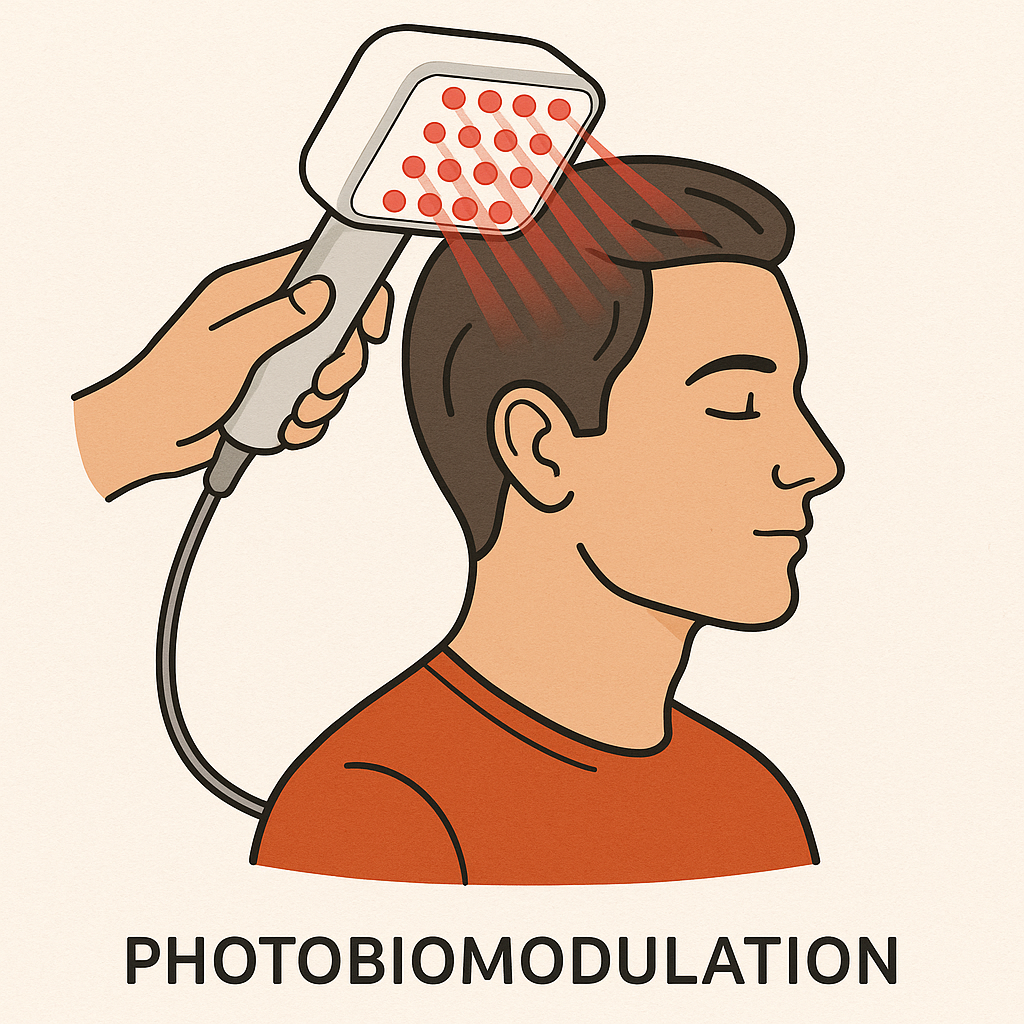
Photobiomodulation (PBM)
Photobiomodulation uses low-level light, often delivered through near-infrared or red wavelengths, to stimulate cellular activity in the brain or nerves. By enhancing energy production in cells and reducing inflammation, PBM may support recovery from brain injury, improve mood, and help with cognitive decline. Treatments are painless, non-invasive, and typically involve wearing a light-emitting device over the head or targeted body area. Research is ongoing, but PBM is emerging as a safe therapy with potential applications across neurological and psychiatric conditions.